

How to Control Restaurant Food Costs Without Sacrificing Quality
Discover proven strategies that protect your profit margins without compromising food quality or the guest experience.
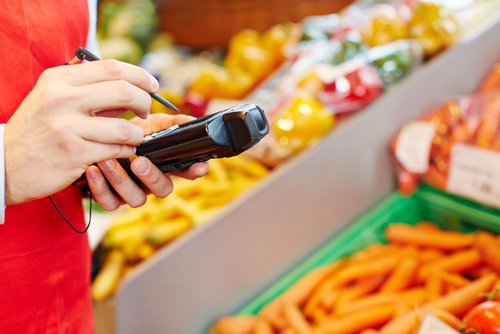
Food costs are one of the biggest challenges every restaurant owner faces.
Rising ingredient prices, food waste, inaccurate inventory, and inconsistent portion sizes can quickly reduce profit margins even when your restaurant is busy. The good news is that controlling food costs doesn’t always require raising menu prices or lowering food quality.
The most successful restaurants focus on smarter purchasing, better inventory control, efficient kitchen operations, and continuous monitoring to protect their bottom line.
1. Review Every Vendor Invoice
Mistakes happen even with trusted suppliers.
Before approving invoices, verify:
- Agreed pricing
- Quantity delivered
- Product quality
- Discounts applied
- Contract pricing
- Missing items
Compare invoices against vendor agreements and verify that the products received match what you’re paying for, helping prevent costly billing errors.
A few minutes of review can prevent expensive mistakes.
2. Price Your Menu Strategically
Your menu should reflect current food costs, not last year’s prices.
Review regularly:
- Ingredient costs
- Portion sizes
- Menu profitability
- High-cost items
- Customer demand
Understand the true cost of every menu item and adjusting pricing, portions, or ingredients when supplier costs change.
Pricing decisions should balance profitability with customer value.
3. Standardize Portion Sizes
Consistency benefits both customers and your business.
Use:
- Portion scoops
- Kitchen scales
- Recipe cards
- Plating guides
- Staff training
Serving the right portion every time protects both quality and profits.
4. Reduce Food Waste
Every discarded ingredient represents lost revenue.
Minimize waste by:
- Tracking spoilage
- Rotating inventory (FIFO)
- Repurposing ingredients when appropriate
- Monitoring preparation waste
- Recording waste logs
Keep waste logs and encourage kitchen staff to actively reduce unnecessary waste.
Measuring waste is the first step toward reducing it.
5. Track Inventory Regularly
You can’t control what you don’t measure.
Maintain accurate inventory by:
- Performing weekly counts
- Monitoring expensive ingredients
- Tracking alcohol separately
- Checking expiration dates
- Identifying unusual shortages
Know exactly what inventory is on hand and pay close attention to high-value items and products nearing expiration.
Accurate inventory reduces both waste and theft.
6. Simplify Your Menu
Large menus often create larger inventory challenges.
Focus on:
- Best-selling dishes
- Shared ingredients
- High-margin items
- Seasonal offerings
A streamlined menu reduces storage needs while making inventory easier to manage.
7. Build Strong Vendor Relationships
Reliable suppliers can become valuable business partners.
Regularly discuss:
- Seasonal pricing
- Bulk purchasing opportunities
- Alternative ingredients
- Delivery schedules
- Market trends
Open communication helps restaurants adapt to changing food costs more effectively.
8. Train Your Kitchen Team
Your kitchen staff directly influences food costs every day.
Training should include:
- Portion control
- Proper food storage
- Waste reduction
- Inventory handling
- Recipe consistency
A well-trained team helps protect profitability without sacrificing quality.
9. Use Technology to Monitor Costs
Restaurant technology makes cost management easier.
Modern systems can help track:
- Inventory levels
- Recipe costs
- Sales trends
- Purchasing history
- Food waste
- Menu profitability
Real-time reporting allows managers to make informed decisions quickly.
10. Increase Revenue Alongside Cost Control
Reducing costs is only part of the equation.
Increasing customer spending also improves profitability.
Consider offering:
- Weekly trivia nights
- Bingo
- Poker tournaments
- Happy hour specials
- Seasonal events
- Loyalty programs
Creating memorable experiences encourages guests to stay longer and purchase additional food and beverages.
How Buzztime Helps Restaurants Increase Profitability
Managing food costs protects your margins.
Creating unforgettable experiences helps grow your revenue.
Buzztime helps restaurants increase customer engagement through interactive entertainment that encourages longer visits and repeat business.
With Buzztime, your venue can offer:
You’ll also have access to:
- Professionally written trivia content
- Automatic scoring
- Live leaderboards
- Smartphone gameplay
- Optional Buzztime tablets
- TV integration through the Buzztime Game Room
By combining smart cost management with memorable customer experiences, restaurants can improve profitability from both sides of the balance sheet.